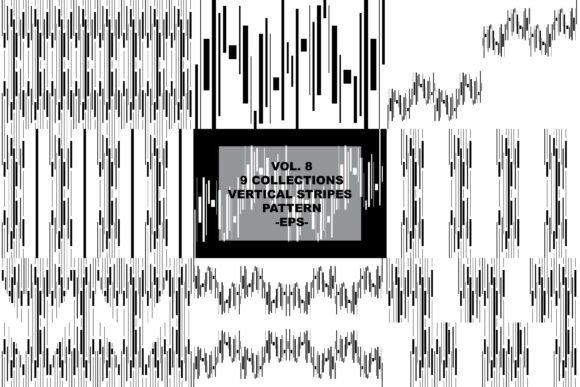
Vertical Stripes Pattern Bundle Vol. 8: A Modern Design Resource for Digital and Industrial Projects
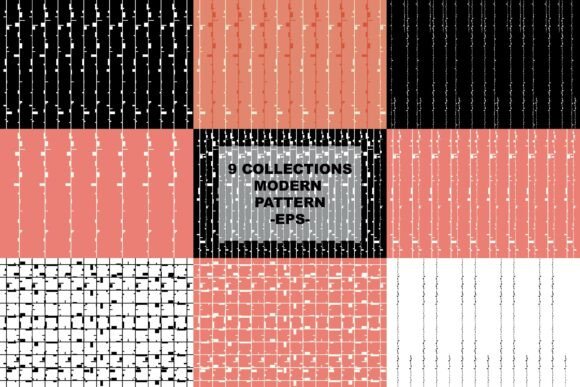
The Vertical Stripes Pattern Bundle Vol. 8 offers a curated selection of 9 abstract vertical stripes patterns, designed to meet the needs of designers, developers, and creatives seeking high-contrast, sharp line work for modern projects. This collection stands out for its versatility, blending minimalist aesthetics with more intricate, glitch-inspired designs that cater to a wide range of visual styles.
Each pattern in the bundle is crafted with precision, ensuring clarity and adaptability across different formats and applications. Whether used as a background element or as a focal point, these vector-based designs provide a professional edge without sacrificing flexibility. The black and white color scheme enhances their usability, making them compatible with various design palettes and project requirements.
What Makes Vertical Stripes Pattern Bundle Vol. 8 Distinct?
Unlike many generic pattern collections, Vol. 8 focuses on creating a cohesive yet diverse set of vertical stripe designs. The bundle includes options that range from clean, simple lines to more complex, barcode-like structures, offering users a broad spectrum of choices. This variation allows for greater creative freedom while maintaining a consistent theme.
The use of high-contrast elements ensures that each pattern remains visually striking, even when scaled down or applied in subtle ways. This makes the bundle particularly useful for digital interfaces, industrial branding, or any project that requires a strong visual identity. The emphasis on sharp, defined lines also aligns with current trends in modern design, where clarity and structure are often prioritized.
Comparing Vertical Stripes Pattern Bundle Vol. 8 with Similar Options
When evaluating design resources, it's important to consider how different pattern bundles compare in terms of style, complexity, and application. While some collections focus on organic shapes or fluid forms, Vol. 8 takes a more structured approach, emphasizing geometric precision and controlled repetition. This distinction can be crucial for projects that require a specific aesthetic or technical functionality.
For example, a designer working on a tech startup’s website might find the clean, minimal patterns in Vol. 8 more suitable than those with bold, colorful motifs. Conversely, someone looking for a dynamic, eye-catching element might prefer a bundle with more experimental or chaotic designs. Understanding these differences helps in selecting the right resource for the intended purpose.
Other pattern sets may offer more color variety or thematic diversity, but they may lack the focused, high-contrast appeal that Vol. 8 provides. This makes it an ideal choice for projects where simplicity and clarity are key, such as in user interface design, data visualization, or industrial graphics.
Strengths and Tradeoffs of Vertical Stripes Pattern Bundle Vol. 8
The primary strength of this bundle lies in its ability to deliver professional-quality patterns without unnecessary complexity. The vector format ensures scalability and resolution independence, which is essential for both print and digital use. Additionally, the black and white palette allows for easy integration into various design systems, reducing the need for extensive color adjustments.
However, the limited color range may not suit all projects. Users who require vibrant or multicolored patterns may find this bundle less appealing. Furthermore, the focus on vertical stripes means that it may not be the best fit for designs that require horizontal or diagonal elements. These tradeoffs should be considered when deciding whether Vol. 8 is the right choice.
Another consideration is the level of detail in the patterns. While the more intricate designs in the bundle offer visual interest, they may also require more processing power or file size, which could be a factor for certain applications. It’s important to balance aesthetic appeal with practicality, especially when working on large-scale or performance-sensitive projects.
Best-Fit Situations for Vertical Stripes Pattern Bundle Vol. 8
This bundle is particularly well-suited for projects that benefit from a modern, digital, or industrial feel. For instance, a software company looking to create a sleek, professional interface might use the minimalist patterns to add texture without overwhelming the user experience. Similarly, an industrial design firm could leverage the glitch-inspired barcodes to convey a sense of technological innovation.
It’s also a good option for designers who want to maintain consistency across multiple assets. The uniformity of the vertical stripes allows for seamless integration into logos, icons, or other graphical elements, ensuring a cohesive look throughout a project. This can be especially valuable in branding efforts where visual coherence is essential.
For users who are new to pattern design, the clear structure of Vol. 8 can serve as a helpful starting point. The straightforward nature of the patterns makes it easier to experiment with different layouts and combinations, allowing for a more intuitive design process.
When to Consider Alternatives
While Vertical Stripes Pattern Bundle Vol. 8 has many advantages, there are scenarios where alternative resources might be more appropriate. For example, if a project requires a more organic or natural aesthetic, a bundle featuring floral, wave, or cloud patterns could be a better fit. Similarly, if the goal is to create a warm, inviting atmosphere, a set of soft gradients or textured backgrounds might be more effective.
Users working on highly specialized projects, such as medical illustrations or educational materials, may also need patterns that align with specific industry standards. In these cases, a more tailored or niche collection could provide better results than a general-purpose bundle like Vol. 8.
Additionally, for those who prefer a more customizable approach, downloadable vector files from platforms like Adobe Stock or Creative Market may offer greater flexibility. These resources often include a wider range of styles and formats, allowing for more personalized design solutions.
Realistic Examples and Practical Comparisons
Consider a scenario where a designer is tasked with creating a landing page for a new app. The goal is to make the page visually engaging while maintaining a clean, professional appearance. Using the minimalist patterns from Vol. 8 could help achieve this by adding subtle texture without distracting from the main content. In contrast, a more elaborate pattern set might introduce visual noise, making it harder for users to focus on key information.
Another example involves a packaging design for a tech gadget. The glitch-inspired barcodes from Vol. 8 could be used to create a futuristic, high-tech look that aligns with the product’s brand identity. However, if the target audience prefers a more traditional or understated design, a different pattern set might be more effective.
These examples highlight the importance of matching the right resource to the specific needs of a project. By understanding the strengths and limitations of different pattern bundles, designers can make more informed decisions that enhance both the functionality and aesthetics of their work.
Final Thoughts on Vertical Stripes Pattern Bundle Vol. 8
Vertical Stripes Pattern Bundle Vol. 8 offers a compelling solution for designers seeking high-contrast, sharp line work in a black and white format. Its combination of simplicity and sophistication makes it a versatile tool for a variety of projects, particularly those requiring a modern or industrial aesthetic. However, its effectiveness depends on the specific needs of the user and the context in which it is applied.
By carefully evaluating the strengths, tradeoffs, and fit of this bundle, users can determine whether it aligns with their design goals. For those who prioritize clarity, structure, and precision, Vol. 8 presents a valuable resource. For others, exploring alternative options may lead to more suitable results. Ultimately, the decision comes down to understanding the unique requirements of each project and selecting the right tools to bring ideas to life.